Metagro
  • Home
  • Products
    • Cabins
    • Crane operator seats
    • Remote Control Desk
  • Services
    • Maintenance and Parts
    • Replacement
    • Manufacturing facility
    • Powder Coating
  • About us
    • Our vision of ergonomics
    • Working at Metagro
  • Agents
  • Contact
  • EN
    • NL
    • DE
    • ES
  • Click to open the search input field Click to open the search input field Search
  • Menu Menu
You are here: Home1 / Contentpagina2 / 2026
RMG operator cabin

Operator cabin manufacturer

15 October 2026/in FAQ/by Martijn Potters

Operator cabins are the control centers of cranes, mining equipment, offshore systems, and heavy vehicles. A well‑designed cab keeps operators safe, productive, and comfortable in demanding environments. Here you’ll find what to look for in operator cabin manufacturers, the options available, and how to evaluate the best fit for your project.

What is an operator cabin?

An operator cabin (also called an operator cab or crane cabin) is a protected workspace that houses the controls, visibility systems, and safety equipment an operator needs to run machinery. Cabins can be custom‑built for overhead cranes, tower cranes, harbor and terminal cranes, mining trucks, steel mills, offshore platforms, vessels, and special‑purpose vehicles.

Why the right operator cabin manufacturer matters

Choosing the right manufacturer directly impacts safety, uptime, and total cost of ownership. The best partners combine deep engineering expertise with flexible manufacturing so you can tailor the operator cab to your process and site risks.

Core benefits of a strong cabin manufacturer partnership:

Partnering with a capable manufacturer improves safety and compliance, reduces operator fatigue through better ergonomics, stabilizes climate, noise and vibration performance, speeds installation and integration, and lowers lifecycle costs thanks to durable materials and reliable service support.

Industries and applications

Operator cabin manufacturers like Metagro build a wide range of cabins tailored to the machine, the environment and the way operators work. Below are the most common categories and where they are used.

Crane operator cabins

For a crane operator cabin manufacturer, Metagro engineers high-mounted cabins with panoramic sightlines, solar‑control/anti‑glare glazing, heated windows and integrated camera mounts for precise hook and load monitoring.

In ports and intermodal terminals, Metagro builds cabins for ship‑to‑shore (STS), rubber‑tyred gantry (RTG), rail‑mounted gantry (RMG) and mobile harbor cranes with corrosion‑resistant structures, marine‑grade coatings, IP‑rated electrics and demist/defrost systems that stand up to salt, wind and driving rain.

RTG operator cabin
RMG operator cabin

STS operator cabin
STS operator cabin in a STS Crane

Mining cabins

Open‑pit and quarry operations rely on rugged cabins for haul trucks, excavators, wheel loaders, dozers, shovels and blasthole drills. Reinforced frames, pressurization with dust filtration, high‑capacity HVAC and multi‑axis vibration isolation protect operators during long shifts in extreme heat, cold and dust. Metagro is a cabin manufacturer that builds these mining cabins, engineered for pressurized, low‑vibration, climate‑controlled operation.

ø;

Steel and heavy‑process cabins

In melt shops, casting bays and rolling mills, cabins for ladle, charging and billet cranes face radiant heat, slag and shock. Manufacturers apply heat shields, high‑temperature glazing, fire‑resistant seals and ergonomic HMIs that keep operators effective while maintaining egress and service access. Metagro builds these steel and heavy‑process cabins for ladle, charging and billet cranes, engineered for radiant‑heat, slag and shock environments.


Offshore and marine cabins

Offshore platforms and vessels require cabins for offshore cranes, winches/tuggers and deck machinery as well as compact control booths for ROV/subsea handling. Designs focus on corrosion resistance, sealed door/window systems, humidity‑ready HVAC, anti‑slip floors and EMC‑compliant wiring that interfaces with marine safety and navigation systems. Metagro is a cabin manufacturer that builds these offshore and marine cabins for cranes, winches/tuggers, deck machinery and compact ROV/subsea control booths.

Offshore cabines Subsea 7 oceans
Vaartuig cabines dreger
Vaartuig cabines & Dregers

offshore cabine gemaakt voor Tidway

Rail and industrial vehicle cabins

Industrial sites deploy locomotives, rail cranes and shunters that need cabins with clear sightlines, toughened glazing and climate control suitable for fine shunting work and continuous duty. Mounting interfaces and pre‑wired harnesses simplify installation on existing rolling stock. Metagro cabin manufacturer builds these cabins.

voertuigcabines
voertuig cabines mower

Specialty cabin manufacturers

Many projects call for one‑off or low‑volume cabs for utility vehicles, airport ground‑support equipment, maintenance platforms and tunnel‑boring machines (TBMs). Manufacturers frequently integrate remote operation capabilities—cameras, sensors and operator consoles into compact operator booths when on‑machine cabins are impractical.

Een RCD Remote control Desk voor operators

Key features to specify

Safety and standards

Expect a strong, tested structure; safety glass and easy‑to‑use emergency exits; fire‑resistant materials with smoke seals and fire‑suppression; and electrical and machine systems that comply with the highest safety standards.

Visibility and situational awareness

Depending on the type of cabin, prioritize wide‑angle, low‑distortion glazing with anti‑fog/anti‑glare treatments, heated wipers and windows, plus cameras or radar/LiDAR feeding monitors positioned to eliminate blind spots.

Ergonomics

Ergonomics keep operators focused, safe and productive over long shifts. A cab that fits the body reduces strain, prevents errors and supports precise, repeatable movements.

Metagro designs layouts around real operator measurements (anthropometrics). Operator Seats and armrests adjust quickly; joysticks sit where hands naturally rest. The HMI is clear and simple: labeled controls, color‑coded alerts and an emergency stop within instant reach. We also provide generous footwell space and safe step‑in height to reduce fatigue and the risk of slips or trips.

Next gen Ergoseat NG-H

Environmental control

Size the HVAC for your climate and add redundancy. Bring in fresh air through HEPA/dust filters, with optional pressurization. Include acoustic insulation and vibration isolation to reduce fatigue.

Materials

Select high‑strength steel or aluminum frames with composite panels where weight matters; apply marine‑grade coatings for coastal/offshore duty; finish with non‑slip floors, sealed cable penetrations and easy‑clean surfaces.

Custom vs modular cabin manufacturers

Modular operator cabins are pre‑engineered units with configurable options—ideal when speed and budget are priorities.

Custom operator cabins are engineered from the ground up for your process, load cycles, and environmental risks. They deliver the best fit when you have extreme conditions, complex controls, or unique space constraints.

FAQ

Can we replace a new cabin onto existing equipment (or crane)?

Many crane cabins face outdated designs that no longer meet modern demands for comfort, safety and efficiency. At Metagro, we offer an innovative solution through replacement. This process transforms old cabins into modern, comfortable and safe working environments. A key benefit is the extended service life of the cabins: instead of a costly replacement, we renovate the existing cabins, saving significant costs. In addition, our plug-and-play designs ensure easy installation and minimal downtime.

Are there standards we must meet?

Requirements vary by industry and region. Many projects reference ISO/EN safety, welding, and electrical standards, plus site‑specific specifications.

What makes a crane operator cab different?

Crane cabins prioritize visibility and fine control. Expect panoramic glazing, high‑precision joysticks, and camera systems that cover blind spots.

https://www.metagro.com/wp-content/uploads/2025/10/Operator-Cabins-2-RMG-cabin-2.jpeg 1080 1920 Martijn Potters https://www.metagro.com/wp-content/uploads/2024/10/logo.png Martijn Potters2026-10-15 10:29:112026-10-15 13:59:49Operator cabin manufacturer
Rubber Tiered Gantry (RTG) crane cabin

RTG Crane: How it works and the role of the operator cabin

15 October 2026/in FAQ/by Martijn Potters

Metagro designs and manufactures the operator cabin not the crane itself. This article explains RTG cranes and shows how a well‑engineered cabin drives safety, visibility, and productivity in container yards.

What is an RTG Crane?

An RTG crane (Rubber Tyred Gantry crane) is a mobile gantry crane used to stack and move shipping containers in container yards and intermodal terminals. It travels on rubber tyres, straddling container stacks and traffic lanes. Because it is not tied to rails, an RTG offers flexibility in yard layouts and can be deployed where space or infrastructure is limited.

You’ll also hear the term intermodal crane or yard crane used in similar contexts. Another common yard solution is the RMG (rail‑mounted gantry) crane, which runs on rails. Compared to RMGs, RTGs trade some ultimate speed and automation readiness for layout flexibility and lower civil works.

Where Metagro fits: We supply the operator cabin—the safe, ergonomic workspace where the human controls the machine. We do not build the crane itself.

How an RTG Crane Works

An RTG crane spans container stacks with a tall gantry frame. A trolley travels across the gantry and carries a hoist with a spreader—the device that locks onto standardized container corners. Operators lift, travel, and lower containers into precise positions.

  • Structure: gantry frame, legs, and crossbeams.
  • Motion: the trolley moves laterally; the hoist raises and lowers; the entire crane drives on rubber tyres along the stack lanes.
  • Operations: typical moves include stacking (e.g., 6‑high plus a lane, known as 6+1), reshuffling, and truck/rail hand‑off. Duty cycles are intense, with frequent starts, stops, and fine positioning.

Environmental conditions: RTGs work in wind, salt‑laden air, heat, cold, rain, and at night. Visibility, ergonomics, and climate control inside the RTG cabin are therefore critical to safety and uptime.

Key Specifications & Configurations

RTG cranes vary by terminal design and operating philosophy. Common variables include:

  • Stack profile: often described as X+1, e.g., 7+1 means seven container rows plus one truck lane. Higher stacks increase capacity but demand precise visibility.
  • Power options:
    • Diesel: widely used, easy to deploy.
    • Hybrid: energy recovery to cut fuel and emissions.
    • Electric RTG (E‑RTG): busbar or cable‑reel systems reduce local emissions and noise.
  • Control & automation features: anti‑sway, auto‑steering, path assist, obstacle detection, and OCR integration. Even with increased automation, the operator remains central for exceptions and safety oversight—making cabin design more important, not less.

RTG crane vs. Other yard solutions

Choosing the right yard equipment is always a trade‑off.

  • RTG vs. RMG: RMGs excel in highly automated, fixed rail yards. RTGs shine where flexibility and layout changes are frequent.
  • RTG vs. straddle carrier: straddles handle transport and stacking in one machine, but RTGs can offer higher stacking density in a given footprint.
  • RTG vs. reach stacker: reach stackers are agile and cost‑effective for smaller volumes. RTGs deliver lower operating cost per move at scale and higher stacking.

Terminals often adopt a mixed fleet. So you’ll often see more than one of these machines in a terminal.

Safety, Visibility & Operator Performance

RTG yards are busy and complex. Typical risk scenarios include:

  • Blind spots near trucks, twistlocks, and spreader corners.
  • Fatigue from repetitive motions, long shifts, and vibration.
  • Weather impacts—rain, fog, glare, and salt haze.
  • Noise from engines, hydraulics, and yard traffic.

The RTG operator cabin is therefore the most important human–machine interface on the crane. Clear sightlines, logical controls, correct seating posture, and stable climate directly improve safety, reduce errors, and support higher productivity.

The RTG operator cabin: Where efficiency is won

Visibility Engineering

Good cabin design starts with sightlines. Operators need to see the spreader, twistlocks, and landing spots without leaning or adopting in unsafe postures. Key elements include:

  • Glazing geometry that opens views to the load path and truck lane.
  • High‑performance glass with proper thickness, anti‑glare treatment, and heated panes where needed.
  • Wiper/washer systems and effective demist/defog to keep visibility in rain, spray, and cold.
  • Integrated lighting to reduce shadows and glare during night operations.

Result: fewer corrections, faster cycle times, and safer operations around trucks and ground staff.

Ergonomics & Fatigue Reduction

Hours in the crane operator seat demand ergonomic precision. Our approach considers body posture, reach envelopes, and micro‑movements:

  • Adjustable seat with lumbar support and damping.
  • Joystick and button placement that follows arm‑rest ergonomics to avoid shoulder lift.
  • Foot space and anti‑slip flooring for stable posture.
  • Vibration isolation to reduce cumulative strain.

Ergonomically optimized cabins help operators maintain concentration, lowering incident risk and improving consistency across shifts.

Climate & Noise Control

A comfortable, quiet cabin supports better decisions and smoother moves.

  • HVAC sizing matched to local climate and solar loads.
  • Marine‑grade filtration to deal with salt, dust, and diesel particles.
  • Thermal insulation to reduce HVAC power draw and hot/cold spots.
  • Acoustic insulation and sealing to cut engine and wind noise.

Safety & maintability

Cabins must be safe and easy to service:

  • Emergency egress and clear access paths.
  • Non‑slip surfaces, anti‑glare finishes, and guarded edges.
  • IP‑rated components and robust cable management.
  • Service access for screens, panels, and wipers without special tools.

Metagro cabin solutions for RTG harbour & terminal cranes

Metagro designs and builds (custom) operator cabins for harbour and terminal cranes operating in harsh marine environments. We work with terminals and OEMs to integrate the cabin into new cranes and replacements existing fleets.

What you can expect from a Metagro cabin:

  • Visibility by design: glazing and geometry tailored to your stack heights and work envelopes.
  • Ergonomics that fit your operators: seats, joysticks, arm supports, and HMI layout optimized for reach and posture.
  • Climate resilience: HVAC, filtration, insulation, and noise control engineered for your site conditions.
  • Integration support: OEM‑agnostic fitment, interface documentation, on‑site measurements, and installation guidance.
  • Lifecycle value: durable coatings, corrosion‑resistant materials, and spare parts support for long service life.

Important: Metagro supplies the operator cabin and operator seat only. We do not manufacture the crane itself.

FAQ

What is an RTG crane used for?

RTGs stack and move containers in yards and intermodal terminals, providing high density and flexibility without rail infrastructure.

How does an RTG differ from an RMG?

RMG’s run on rails and suit fixed, highly automated terminals. RTG’s operate on tyres and adapt quickly to different layouts.

Can Metagro replace a cabin to an existing RTG?

Yes. We work OEM‑agnostically and provide on‑site measurement, interface documentation, and installation support.

https://www.metagro.com/wp-content/uploads/2025/10/RTG.jpg 1173 1344 Martijn Potters https://www.metagro.com/wp-content/uploads/2024/10/logo.png Martijn Potters2026-10-15 10:26:572026-10-15 14:00:47RTG Crane: How it works and the role of the operator cabin
voertuig cabines mower

Special equipment cabins

15 October 2026/in FAQ/by Martijn Potters

A special equipment cabin is the operator’s protected, ergonomic workplace that’s integrated into heavy or specialized machinery. It’s the place where visibility, controls, and safety systems come together—so people can run complex equipment with confidence, shift after shift. Metagro designs and manufactures these cabins for cranes, mining and construction equipment, offshore systems, rail and industrial vehicles, and more.

What Is a Special Equipment Cabin?

On-machine cabins are built into excavators, wheel loaders, dozers, terminal cranes, dredgers, haul trucks, and other special vehicles. They house the human–machine interface (HMI), seating, joysticks, and displays, and they are engineered to deliver sightlines, structural protection, and climate control in tough environments.

Industrial operator cabins

In steel, process, and port settings, fixed operator cabins provide acoustic isolation, dust control, and safe oversight near noisy, hot, or corrosive processes. These are tailored to the exact environment— think radiant heat around ladle and billet cranes, or salt, wind, and driving rain on quaysides.

Standards for special machinery cabins

A well-engineered cabin protects against impacts and hazards while supporting compliance with relevant safety expectations. Strong frames, safety glazing, emergency egress, fire-resistant seals, and correct electrical integration aren’t just “features” they’re what keep people safe and equipment available. The right cabin choice directly impacts safety, uptime, and total cost of ownership.

Comfort & ergonomics

Shift length is unforgiving. Cabins that fit the body— need an adjustable (ergonomic) operator seat with armrests, intuitive control reach, clear labeling, and generous footwell space, reduce strain and errors. Pair that with properly sized HVAC, pressurization and filtration, acoustic insulation, and vibration isolation, and you enable consistent performance hour after hour.

Visability & Control

From high-mounted crane cabins with panoramic glazing to heated, anti-glare windows and camera integration for blind spots, sightlines are engineered, not left to chance. The goal: precise, repeatable movements with fewer obstructions and faster situational awareness in close quarters.

Where special equipment cabins are used

Construction & earthmoving

Excavators, wheel loaders, dozers, and shovels benefit from vehicle cabins that balance impact resistance with vibration damping and climate control, so operators stay focused in dust and other extremes.

Crane & port equipment

For ship-to-shore (STS), rubber-tyred gantry (RTG), rail-mounted gantry (RMG), and mobile harbor cranes, terminal cabins must resist salt and UV, shed water, and maintain clear views of hooks and loads.

Mining & quarrying

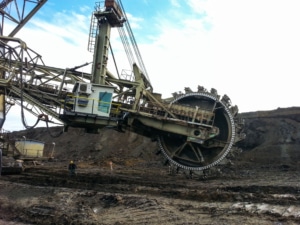
Haul trucks, blasthole drills, and bucket-wheel excavator require rugged cabins, pressurization with dust filtration, high-capacity HVAC, and multi-axis vibration isolation for long, punishing duty cycles.

Special vehicles

Forestry, agriculture, maintenance platforms, airport ground support, and tunnel-boring machines often demand one-off or low-volume cabins with tailored controls or remote-operation preparation.

Industrial plants & process areas

Cabins near melt shops, casting bays, and rolling mills (steel industry cabins) use heat shields, high-temperature glazing, and fire-resistant seals to keep operators effective and protected—while preserving safe access and serviceability.

https://www.metagro.com/wp-content/uploads/2025/05/voertuig-cabines-mower.jpg 1828 2560 Martijn Potters https://www.metagro.com/wp-content/uploads/2024/10/logo.png Martijn Potters2026-10-15 10:24:432026-10-15 14:00:52Special equipment cabins
Port with container cranes like Ship to shore cranes.

Custom container cranes and operator cabins for safer, more efficient terminals

15 October 2026/in FAQ/by Martijn Potters

Container cranes are the powerhouses of global trade lifting, moving, and stacking thousands of containers daily across ports and terminals worldwide. But their performance depends on more than just steel and hydraulics. At the centre of every operation is the operator cabin. A carefully engineered workspace that keeps operators safe, focused, and efficient in one of the most demanding environments.

Metagro designs and manufactures custom operator cabins for e.g. RTG cranes, and control stations that enhance performance, safety, and comfort for operators working on cranes, vessels, and industrial machinery.

What is a container crane?

A container crane (also called a ship-to-shore or port crane) is a large dockside gantry crane used to load and unload intermodal containers from ships. These cranes are vital in modern logistics, combining massive lifting capacity with millimeter precision to keep port operations running smoothly.

Metagro’s cabin designs support different crane types, including:

  • Ship-to-Shore (STS) cranes – used for loading and unloading containers directly from vessels.
  • Rubber Tyred Gantry (RTG) cranes – mobile cranes used in container yards for stacking and moving shipping containers.
  • Rail-Mounted Gantry (RMG) cranes – fixed gantry systems ideal for high-volume terminals.

Each crane type demands a cabin built for maximum safety, reliability, and efficiency, adapting to unique workflows, climates, and visibility requirements.

Why customization matters in port and terminal equipment

Every port operates differently. Container sizes, yard layouts, and automation levels vary widely between terminals. That’s why custom engineering is crucial. A one-size-fits-all cabin won’t provide the ergonomics, visibility, or control integration modern operators need.

Metagro specializes in customized operator cabins that are engineered to match your crane type, operator workflow, and technical systems—from control panels to climate systems. This ensures seamless integration and longer lifecycle performance, reducing total cost of ownership for port managers and OEMs alike.

The role of the operator cabin in port crane performance

Operator cabins are more than enclosures, they are safety-critical control environments. Poor ergonomics can lead to fatigue, reduced focus, and even operational errors. Metagro designs cabins with optimized seating, control placement, vibration damping, and sound insulation to create a workspace where operators can perform at their best all day long.

Operator Comfort = Operational Efficiency

A comfortable operator is a productive operator. Features such as adjustable operator seats, climate control, and low-vibration structures contribute to better uptime, fewer health complaints, and higher throughput.

For HSE managers, these features directly improve safety compliance and operator well-being, reducing injury risk and improving long-term workforce sustainability.

How Metagro designs and builds custom cabins for every crane type

From design and engineering to production, Metagro provides full-service cabin development. Each cabin is built in-house, using durable steel and composite structures that meet international safety standards. This ensures quality, traceability, and on-time delivery key priorities for procurement and supply managers in the OEM and port sectors.

Applications Beyond Ports:

Beyond container terminals, Metagro engineers special cabins for industries such as offshore operations, steel production, mining, and heavy logistics. These environments demand custom enclosures that withstand vibration, corrosion, and extreme temperatures—without compromising operator comfort.

Each special cabin is purpose-built for its environment, with options for remote operation desks, camera integration, and reinforced safety glazing.

Why leading OEMs choose Metagro

For over 25 years, Metagro has been the partner of choice for OEMs and port operators who demand the highest standards of quality, reliability, and ergonomics. Customers value:

  • Full-service delivery – from engineering to aftersales support.
  • Customization and modularity – to meet exact technical and operational needs.
  • Operator-focused design – ensuring safety, comfort, and efficiency.
  • Durable materials and long lifecycle service – lowering maintenance costs and downtime.

With every cabin, Metagro delivers on a single promise: to create the safest, most ergonomic operator environments in the industry.

Crane operator seat - NG-H-Metagro

Crane operator Chair or seat Metagro
STS operator cabin
Metagro cabine: sts/rtg cabin

FAQ

Can we replace a new cabin onto existing equipment (or crane)?

Many crane cabins face outdated designs that no longer meet modern demands for comfort, safety and efficiency. At Metagro, we offer an innovative solution through replacement. This process transforms old cabins into modern, comfortable and safe working environments. A key benefit is the extended service life of the cabins: instead of a costly replacement, we renovate the existing cabins, saving significant costs. In addition, our plug-and-play designs ensure easy installation and minimal downtime.

Are there standards we must meet?

Requirements vary by industry and region. Many projects reference ISO/EN safety, welding, and electrical standards, plus site‑specific specifications. At Metagro we ensure the highest possible standards.

What makes a container crane operator cab different?

Crane cabins prioritize visibility and fine control. Expect panoramic glazing, high‑precision joysticks, and camera systems that cover blind spots.

https://www.metagro.com/wp-content/uploads/2024/11/23XXX-Dubbeldam-Akoestische-schilderij-2406x2406px.jpg 2406 2406 Martijn Potters https://www.metagro.com/wp-content/uploads/2024/10/logo.png Martijn Potters2026-10-15 10:22:532026-10-15 10:23:19Custom container cranes and operator cabins for safer, more efficient terminals
Crane operator Chair or seat Metagro

Why ergonomic seats matter for crane operators

15 October 2026/in FAQ/by Martijn Potters

Crane operators spend hours, sometimes entire shifts, sitting in the same position, focusing on precision and safety in challenging conditions. The quality of their seat directly impacts not only comfort but also health, concentration, and long-term productivity. That’s why ergonomic seating isn’t a luxury; it’s a necessity for any operator-focused work environment.

What makes an operator seat ergonomic?

An ergonomic seat is designed to support the natural curvature of the spine and promote healthy posture during long hours of operation. It reduces pressure points, allows natural movement, and minimizes the risk of musculoskeletal disorders (MSDs).
Key features include:

  • Adjustable lumbar and back support
  • Suspension systems to absorb vibration and shock
  • Adjustable armrests and headrests for personalized comfort
  • Controls positioned for natural movement to prevent strain

By adapting to the operator’s body and work style, an ergonomic seat becomes an active contributor to operational safety and efficiency.

The hidden costs of poor seating

A poorly designed or outdated crane seat might seem like a small issue, but it carries significant long-term consequences:

  • Increased fatigue – Constant vibration and awkward posture drain energy faster.
  • Reduced alertness – Discomfort distracts from the precision required during lifting operations.
  • Higher injury risk – Repetitive strain and poor posture can lead to chronic back, neck, and shoulder pain.
  • Lower productivity – Fatigued operators make more mistakes, slowing down operations.

In industries where uptime and safety are non-negotiable, even small ergonomic improvements lead to major performance gains.

Benefits of ergonomic crane seats

An ergonomic seat delivers measurable advantages across safety, productivity, and operator well-being. Below are the key benefits every operations manager (e.g. Terminal manager) should understand before choosing seating for crane operators.

Prevent musculoskeletal disorders

Crane operators are prone to back pain, slipped discs, and other musculoskeletal problems caused by static posture and whole-body vibration. Ergonomic seating supports healthy spinal alignment, significantly reducing these risks.

Reduce fatigue and enhance alertness

When seating minimizes strain and absorbs shock, operators stay focused longer. This leads to better decision-making, especially in complex lifting environments like terminals and steel plants.

Improve safety

Fatigue and discomfort can cause delayed reactions or mistakes. An ergonomic crane operator seat keeps the operator stable and supported, enhancing both precision and situational awareness.

Increase operational efficiency

Comfortable operators perform consistently. Ergonomic seats reduce absenteeism, shorten recovery times, and improve productivity across shifts.

Next-Gen Ergoseat NG-S for crane operators
Crane operator Chair or seat Metagro
Next-Gen Ergoseat NG-H for crane operators

Crane operator seat - NG-H-Metagro

What to look for in a crane operator seat?

When selecting or upgrading operator seating, focus on:

  • Posture support: The seat should promote natural spinal alignment.
  • Shock absorption: Built-in suspension reduces vibration exposure.
  • Custom fit: Height, tilt, and depth adjustments ensure personal comfort.
  • Durability: Industrial-grade materials withstand heat, dust, and vibration.
  • Integration: Compatibility with control systems and cabin layout is essential.

Custom-engineered operator seats like those from Metagro, go beyond comfort. They are part of a complete ergonomic workspace, designed for long-term reliability in demanding environments.

How Metagro designs ergonomic operator seats

At Metagro, ergonomic thinking starts at the engineering table. Each crane operator seat is designed in line with international HSE standards, focusing on comfort, visibility, and safety integration.
Metagro’s expertise includes:

  • In-house engineering and production for full control over quality
  • Tailored seat configurations for crane, offshore, and vehicle applications
  • Long-term service and replacement programs to extend product life

The result? A seat that doesn’t just support the operator it enhances performance, safety, and equipment longevity.


Supporting healthy and safe working environments

Operator well-being is directly linked to workplace safety, and that extends to every type of operator cabin whether on a harbor or terminal crane, offshore installation, or heavy vehicle. Each cabin is a workplace in itself, and the ergonomic quality of that environment shapes how safely and efficiently tasks are carried out.

Ergonomically designed seats complement the cabin layout by:

  • Promoting healthy posture and reducing strain within confined cabin spaces
  • Minimizing awkward movements during crane or vehicle operation
  • Providing targeted support for key pressure zones
  • Enabling healthier, more productive shifts

By integrating ergonomic seating into all kinds of operator cabins, companies create safer, more efficient workplaces. This focus on comfort and support demonstrates genuine care for operator health, resulting in higher satisfaction, fewer injuries, and stronger safety compliance.

Invest in comfort. Protect performance

Ergonomic operator chairs are an investment in uptime, operator health, and long-term efficiency. Whether you manage a terminal, operate offshore equipment, or design specialized lifting solutions, choosing the right seat directly impacts results.

Metagro’s ergonomic operator seats are engineered to combine comfort, precision, and durability—keeping your operators safe, alert, and in control.

voertuigcabines
voertuig cabines mower

Custom vs modular cabin manufacturers

Modular operator cabins are pre‑engineered units with configurable options—ideal when speed and budget are priorities.

Custom operator cabins are engineered from the ground up for your process, load cycles, and environmental risks. They deliver the best fit when you have extreme conditions, complex controls, or unique space constraints.

FAQ

Can we replace a new operator seat onto existing equipment (or crane)?

Many (crane) cabins face outdated designs that no longer meet modern demands for comfort, safety and efficiency. At Metagro, we offer an innovative solution through replacement. This process transforms old cabins into modern, comfortable and safe working environments. A key benefit is the extended service life of the cabins: instead of a costly replacement, we renovate the existing cabins with new operator chairs, saving significant costs. In addition, our plug-and-play designs ensure easy installation and minimal downtime.

Are there standards we must meet?

Requirements vary by industry and region. Many projects reference ISO/EN safety, welding, and electrical standards, plus site‑specific specifications.

What makes a (crane) operator seat different?

A crane operator seat differs from a standard industrial or vehicle seat because it is specifically engineered for long-duration use in high-vibration, precision environments. These seats are built to support the operator through extended shifts, where even minor discomfort can lead to fatigue or reduced concentration.

Unlike conventional seating, a crane operator seat includes:

  • Advanced suspension systems to isolate the operator from vibration and shock.
  • Comprehensive adjustability to fit individual body types and working postures.
  • Ergonomic shaping that supports natural movement and reduces pressure points.
  • Durable materials that withstand dust, humidity, and temperature fluctuations inside cabins.
  • Seamless integration with cabin controls, allowing operators to maintain safe, efficient handling of equipment.

In short, a true crane operator seat functions as part of the control environment itself ensuring comfort, safety, and sustained performance throughout demanding operations.

https://www.metagro.com/wp-content/uploads/2025/05/NG-S-metagro-crane-operator-seat.jpg 1366 2048 Martijn Potters https://www.metagro.com/wp-content/uploads/2024/10/logo.png Martijn Potters2026-10-15 10:17:492026-10-15 14:02:48Why ergonomic seats matter for crane operators
RMG operator cabin

What determines a crane cabin’s lifespan

15 October 2026/in FAQ/by Martijn Potters

As explained in When to Replace a Crane Cabin, STS, RTG and RMG cranes are designed for a service life of 25 to 30 years. A midlife upgrade typically takes place after 12 to 15 years. The cabin follows its own lifecycle, typically lasting 15 to 20 years. These timelines do not necessarily align. Even so, a crane’s midlife upgrade presents a natural opportunity to assess the benefits of a complete cabin replacement. A new cabin can bring modern ergonomics, updated technology and improved operator comfort. It helps terminals prepare their cranes for the next phase of operation while making the most of their existing infrastructure.

Where a specific cabin sits within that 15 to 20 year range depends on a handful of factors. Some speed up wear, others slow it down. Understanding them helps a terminal plan a cabin replacement ahead, timed with the crane’s own upgrade schedule.

Why a cabin follows its own lifecycle

A crane’s structural lifespan is an engineering calculation. Steel components are designed against a known number of load cycles. That number translates fairly predictably into years of service. This is why 25 to 30 years is a reasonable planning figure for the crane structure.

A cabin ages differently. Its structure is built to last, but the equipment inside is exposed to daily use. Glazing, door seals, upholstery, the climate control unit and the control electronics all wear through temperature swings and constant use. That wear does not follow the fatigue calculation used for structural steel. As a result, two cranes with the same structural design can carry cabins that age at very different speeds.

Wear is only part of the picture. Cabin design itself keeps moving forward. Seats, joysticks and consoles have become far more adjustable. Floor and front glazing have been reshaped to improve sightlines to the spreader and the load. Standards for noise, vibration and indoor climate are higher than they were fifteen years ago. Safety has developed in the same way, from emergency exits and fire protection to camera integration. A cabin can therefore be in good condition and still fall behind what operators and safety departments now expect. Terminal managers often notice this first when an operator says something.

The environment a cabin works in changes the number

A cabin’s lifespan depends not only on its age, but also on the conditions it works in. At coastal terminals, salt spray and humidity accelerate corrosion. Dust affects seals, filters and electronic components. In steel production, cabins deal with high temperatures and heavy loads. On mining machines, sustained vibration is the main source of wear. Extreme temperatures and intensive daily use also speed up wear on parts such as the climate control and door locks.

These factors play a role for every cabin, but to a different degree at each site. Cabins on the same crane type can therefore age at different rates, even within a single fleet. The expected lifespan is not the same for every cabin. It should be assessed on the cabin’s condition, how and how often it is used and the conditions on site.

How hard the cabin is used changes the number

A crane running a single shift a day puts far less wear on its cabin than one running near-continuous shifts. Every hour an operator spends in the seat is an hour of use for the suspension, the climate system and the controls. That’s true regardless of how many tonnes the crane lifted that day. Terminals running multiple shifts should expect the cabin’s wear components to need attention sooner, sometimes well before the crane’s 12 to 15 year midlife upgrade. The same goes for a smaller fleet operating more intensively to cover the same throughput. That’s purely from cumulative hours, not any fault in the equipment itself.

A simple way to see this coming is to track operating hours per cabin, not just per crane. Two cabins bought in the same year rarely age at the same rate once one has logged twice the hours of the other. That gap only widens with time. Many terminals already track crane utilisation for energy use or throughput reporting. The data usually exists. It just isn’t normally looked at cabin by cabin.

Build quality sets the ceiling

Environment and usage explain why two cabins age at different speeds. Build quality determines how far each one can go. A cabin with higher-grade glazing, durable seals and components specified for its working environment simply has further to go before it reaches the same wear points. The difference rarely shows in the first year or two, when almost any cabin performs well. It shows in year eight or ten. By then, cheaper components have often been through several replacement cycles. A better-built cabin is still running on its originals. At Metagro, the cabin structure itself is covered by a 20-year warranty. What ages over time is the equipment inside it.

This is where total cost of ownership becomes particularly important. A high-quality cabin may require a greater initial investment. Over its service life, however, better materials, careful engineering and skilled craftsmanship make a meaningful difference. Fewer repairs, less frequent component replacement and consistent performance help reduce costs over 15 to 20 years. Choosing a cabin built to last is therefore not simply a matter of paying more upfront. It is an investment in long-term reliability, operator comfort and the continued performance of the crane.

What “end of life” actually means for a cabin

End of life doesn’t mean a cabin stops working. Most ageing cabins can still be operated safely with the right maintenance. The question is whether continuing to do that still makes sense. A cabin typically reaches that point in one of three ways. Maintaining its wear components, such as seals, climate control and electronics, no longer pays off. Or the cabin no longer meets current ergonomic, visibility or safety standards, however well it is maintained. Or both are true at once.

We cover the financial side of that decision in When to Replace a Crane Cabin, where repair costs cross over into replacement costs. The concrete warning signs are in 9 Signs Your Crane Cabin Needs Replacing. This section is about the idea behind both. A cabin’s working life ends at a threshold, not a breakdown.

Sometimes that threshold gets set from outside the terminal rather than from the maintenance log. An HSE audit can flag a cabin as no longer acceptable. So can a customer’s own compliance review, or a new internal ergonomics policy. Any of these can happen well before the cabin’s own components would have forced the issue. That’s a different route to the same conclusion, and it’s worth planning for separately. It can move a cabin’s replacement date forward regardless of the cabin’s age.

Extending the clock, or resetting it

Some of the factors above can be partly offset without a full replacement. Swapping in an ergonomic seat such as our Ergoseat addresses the ergonomics side of ageing on its own. Replacing glazing or upgrading a climate control unit can push back the point where those specific components force the decision. None of that resets the clock on the cabin as a whole, though. It buys time within the same ageing cycle. That’s a reasonable choice when the rest of the cabin still has real life left in it. It’s a poor one when it doesn’t. A full replacement is the only step that actually resets the clock and lines the cabin back up with the crane’s own upgrade schedule.

The judgment call is which situation you’re actually in. A cabin with one ageing system and an otherwise sound structure is a good candidate for a targeted upgrade. A cabin showing wear across several systems at once is a different case. That’s the pattern covered in our signs article, and it’s usually past the point where a partial fix buys enough time to be worth doing instead of a full replacement.

Planning around your own number

On average, a cabin lasts 15 to 20 years on its own. The crane’s own 12 to 15 year midlife upgrade point is a useful planning anchor, not a guarantee for any specific cabin. A coastal terminal running near-continuous shifts with a budget-specified cabin could see meaningful wear by year eight, well ahead of any crane upgrade. An indoor facility running a single shift with a well-built cabin could comfortably outlast the crane’s midlife point and reach the top of that 15 to 20 year range with no trouble. Knowing which of those your own fleet is closer to changes everything about how you plan. Base that on its environment, its duty cycle and how the cabin was originally specified. Do that and a replacement decision stops being a reactive scramble. Instead it’s something you can budget and plan years in advance.

In practice, that means three things worth having on record for every cabin in a fleet. Roughly when it went into service. What environment and duty cycle it has actually seen, rather than what was assumed at purchase. And how it was specified, compared with what’s available today. None of that requires new instrumentation. It’s mostly a matter of pulling together data that already exists across purchasing, maintenance and operations. The only real change is looking at it cabin by cabin instead of crane by crane.

Want a realistic estimate for your own fleet?

Talk to us about your cranes, your environment and your duty cycle, and get an estimate for your own fleet instead of a general range.

Request a Cabin Replacement Assessment

https://www.metagro.com/wp-content/uploads/2025/10/Operator-Cabins-2-RMG-cabin-2.jpeg 1080 1920 Martijn Potters https://www.metagro.com/wp-content/uploads/2024/10/logo.png Martijn Potters2026-10-15 10:15:342026-10-19 11:29:27What determines a crane cabin’s lifespan

Signs your crane cabin needs replacing

15 October 2026/in FAQ/by Martijn Potters

We wrote in When to Replace a Crane Cabin that the decision rarely arrives all at once. It builds up from small, individually explainable repairs until the maintenance log makes the case on its own. That’s true, but a maintenance team still needs something more concrete to act on than “you’ll know it when you see it.” Most checklists online answer a slightly different question anyway: they cover the crane as a whole, its hoist, its structure, its drive train, with the cabin mentioned in passing at best. These nine signs are specific to the cabin itself, the part your operator actually works in for an entire shift. Where that earlier piece covered the underlying financial logic, this one is the practical checklist a maintenance planner can walk through directly.

1. The same repairs keep coming back

A seal gets replaced in spring. A climate control unit gets serviced in summer. Come autumn, the same systems need attention again. Individually, none of these repairs looks alarming. Clustered together within a single year, they usually mean the structure underneath is ageing faster than the parts being replaced on top of it. A maintenance planner comparing this year’s work orders against last year’s often spots the pattern before anyone else does, simply because the same line items reappear under a different date. Three or more repeat visits to the same systems within twelve months is a reasonable line to draw between normal wear and a cabin that’s starting to fail as a whole.

2. Operators keep raising the same complaint

One comment about the seat, the temperature or the view is normal. The same comment from multiple operators, repeated across shifts and months, is a pattern worth taking seriously. Operators notice long before a maintenance system does, simply because they’re the ones sitting in the cabin for eight or twelve hours at a time. A single mention during a shift handover is easy to file away. The same complaint surfacing again at a toolbox talk three months later, from a different operator who wasn’t there for the first one, is a much stronger signal, and it’s worth logging separately from routine maintenance requests.

3. Visibility has quietly gotten worse

Scratched, pitted or discoloured glazing rarely fails all at once. It degrades gradually, to the point where an operator adjusts their posture or working habits to compensate without ever reporting it as a fault. If visibility from the cabin isn’t what it was when the crane was new, that’s a safety issue as much as a comfort one, and it tends to get worse rather than better with more repairs. On a coastal terminal, salt spray and UV exposure accelerate this kind of glazing wear well beyond what a landlocked yard would see over the same number of years. The same cabin age can mean very different visibility, depending entirely on where it’s been working.

4. The ergonomics no longer match current standards

Ergonomic expectations for operator seating and workstation design have moved on since most existing cabins were built. Full torso support for downward-facing work, adjustable lumbar support, a properly angled seat for extended visibility: a cabin that predates these expectations puts a modern, well-trained operator at a real disadvantage, no matter how well it’s been maintained. Older cabins were typically designed around a fixed seating position and a narrower range of adjustment than current guidance recommends. That matters most on STS cranes, where operators spend long stretches looking almost straight down through the floor window at the spreader below. A full cabin replacement isn’t always the first step here. Swapping in an ergonomic seat such as our Ergoseat can close part of that gap on its own, as a smaller move ahead of, or instead of, replacing the whole cabin.

5. Spare parts take longer to source every time

A part that used to arrive in days now takes weeks. A supplier that used to stock the component you need now has to order it in. This kind of quiet slowdown is common with older cabins, especially where the original manufacturer has moved on to newer models or no longer prioritises legacy support. Tracking lead times for cabin-specific parts separately from the rest of the crane’s inventory makes this trend visible early, before a failed component leaves a cabin out of service for weeks while a replacement part is sourced.

6. Corrosion or structural wear shows up around windows and doors

Rust along a window frame, a door that no longer seals properly, sealant that’s cracked and been reapplied more than once: these are signs the cabin’s structure, not just its equipment, has started to fail. Ground-level entry points and lower door seals tend to show it first, since they collect standing water and salt residue that the rest of the cabin sheds more easily. Once corrosion reaches the frame itself rather than just the sealant around it, patching becomes a recurring job instead of a permanent fix, echoing the same repair pattern described in sign one.

7. Cabin noise has crept up over the years

Operators notice this one the same gradual way they notice failing visibility. A cabin that used to shut out wind, machinery and rail noise starts letting more of it through. Usually the cause is door seals, window gaskets or sound-dampening panels that have worn past the point where routine maintenance restores them. The effect compounds over a full shift: raised voices on the radio, harder concentration, more fatigue by the end of the day. It rarely shows up as a single line on a maintenance ticket, which is exactly why it goes unnoticed until an operator mentions it directly.

8. The wiring has been patched more times than anyone can trace

A cabin’s electrical layout is meant to be documented and easy to follow, not something a technician has to reconstruct from memory. An extra junction box here, a rerouted cable there: each fix is reasonable on its own. Enough of them together turn a clean original design into one only the person who did the last repair fully understands. That’s a real safety and downtime risk, since a new fault becomes far slower to trace once the as-built wiring no longer matches the drawings. If a recent inspection flagged the wiring, or troubleshooting an electrical fault now takes noticeably longer than it used to, that’s the cabin telling you something structural, not just electrical.

9. Your crane is already scheduled for a midlife upgrade

STS and RTG cranes are typically built to last 25 to 30 years, with a natural midlife upgrade point somewhere between year 12 and 15. That upgrade point belongs to the crane, not the cabin. Your crane might be approaching it for other reasons entirely: a hoist overhaul, a control system upgrade. A cabin can often keep running past that point on its own, typically 15 to 20 years in total. But if the crane is already coming out of service for an upgrade, that’s the moment to evaluate the cabin too, even if none of the signs above feel urgent yet. Replacing a cabin as part of a planned upgrade is a very different project than replacing one on its own, on short notice. A midlife overhaul typically bundles a hoist inspection, a control system review and sometimes a full repaint. Folding the cabin into that same shutdown window means one mobilisation and one production stoppage. The alternative is two separate projects a few years apart.

What to do if you recognise several of these

One or two of these signs, taken alone, might just mean a repair is due. Three or more, especially if they’ve been showing up over the same six to twelve months, usually mean the cabin has reached the point where repair costs stop buying back much reliability. At that stage, it’s worth having someone assess the cabin properly rather than scheduling another round of individual fixes. Waiting for all nine to show up at once rarely happens, and it isn’t the bar to clear. Two or three consistent signs, confirmed by an actual site visit, are usually enough to justify starting the conversation.

A proper assessment starts with the maintenance log, not a walk around the yard. Someone experienced with cabin builds needs to see the actual repair history, talk to the operators who use the cabin every shift, and check the structure itself for the corrosion and wear described above, before recommending repair or replacement. We cover how that decision plays out financially, repair costs against replacement costs, in When to Replace a Crane Cabin.

Recognise a few of these signs in your own fleet?

Request a cabin replacement assessment and get a clear answer instead of another guess.

Request a Cabin Replacement Assessment

https://www.metagro.com/wp-content/uploads/2024/11/20180629_090825-scaled.jpg 1920 2560 Martijn Potters https://www.metagro.com/wp-content/uploads/2024/10/logo.png Martijn Potters2026-10-15 10:10:022026-10-15 10:13:26Signs your crane cabin needs replacing
STS operator cabin

When to replace a crane cabin

15 October 2026/in FAQ/by Martijn Potters

A maintenance team rarely wakes up one morning and decides, out of nowhere, to replace a crane cabin. The decision creeps up. One more seal gets replaced. Then one more climate control unit gets repaired and one more operator mentions the view from the seat isn’t what it used to be. At some point the maintenance log tells a story the budget can no longer ignore.

Most advice online answers a different question: when to replace the crane itself, its hoist, its drive, its structure. That’s a bigger decision, on a different timeline. The cabin is the one part of the crane your operator sits in for an entire shift. It tends to wear out on its own schedule, often years before the crane around it needs anything close to a full overhaul. This article is about that schedule: how to recognize when repair has stopped making financial sense, and replacement has become the better call.

The typical replacement window

STS and RTG cranes are generally built to last 25 to 30 years. On their own, cabins typically last 15 to 20 years. Most cranes need a midlife upgrade well before that, somewhere between year 12 and year 15, depending on how intensively the crane runs and how well it’s been maintained. That upgrade point is usually the more practical moment to replace the cabin too, rather than waiting for it to reach the end of its own working life. That’s exactly why a cabin replacement decision deserves its own timeline, separate from any conversation about replacing the crane.

Terminals that plan around that upgrade point, rather than waiting for a failure to force the issue, tend to get more value out of the decision. A cabin scheduled for replacement at year 13 can be budgeted, engineered and installed on your terms. A cabin left running to the end of its own 15 to 20 year lifespan gets replaced on its own terms later, usually at a worse moment and a higher price.

The exact timing shifts with the environment the cabin operates in. A coastal terminal exposes seals and glazing to salt air and humidity that a landlocked yard never sees. A crane running near-continuous shifts puts far more cycles on a cabin’s climate control and suspension than one running a single shift a day. None of that changes the underlying pattern, but it does mean two cranes bought in the same year, at the same terminal, can reach their replacement point several years apart.

Where repair costs cross over into replacement costs

Every ageing cabin reaches a point where the next repair costs almost as much as a meaningful step toward a new one, without buying back nearly as much reliability. That crossover point is different for every terminal, but the pattern is consistent. Repair costs rise gradually for years, then start clustering. Seals fail together. Climate control and glazing issues appear in the same maintenance cycle as electrical faults. Each fix on its own looks affordable. Added up over eighteen months, though, they tell you the structure underneath the repairs has aged past the point where patching makes sense.

At first glance, refurbishing can look like the cheaper choice. It usually isn’t, once you count what keeps failing afterwards. A full replacement costs more upfront. In return, it resets that maintenance curve completely, with a cabin engineered and built to current standards rather than one carrying a decade of accumulated wear underneath its latest repair.

For example, a simple way to spot the crossover before it becomes obvious is to track cabin-related maintenance tickets separately from the rest of the crane’s maintenance history. Most maintenance systems log everything against the crane as a single asset, which buries the cabin’s own cost curve inside a much larger number. Once cabin repairs start showing up as their own recurring line item, the crossover point is usually close.

A few signs the decision point has already arrived

Some signals are hard to miss, even before you run the numbers:

  • Repairs to the same systems (climate control, glazing, seals, wiring) keep recurring within the same year.
  • Operators regularly raise the same complaints, about visibility, comfort or temperature, regardless of what’s already been fixed.
  • The cabin no longer meets current ergonomic or safety standards, and retrofitting it would cost close to what a new cabin does.
  • Spare parts for the existing cabin are getting harder or slower to source.

This isn’t the full picture. For more detail, read our blog about signs your crane cabin needs replacing.

Why this is a cabin decision, not a crane decision

Search for advice on replacing industrial lifting equipment and you’ll mostly find guidance about the crane as a whole: its hoist, its drive train, its structural components. That guidance is useful. But it answers a different question than the one a terminal manager usually has, which is what to do about the cabin specifically, while the rest of the crane keeps running fine.

That distinction matters. A cabin replacement is a much smaller, faster and cheaper project than a crane replacement, and it’s evaluated against a different set of costs: operator comfort, ergonomics, visibility and the maintenance burden of an ageing enclosure, rather than hoisting capacity or structural fatigue. Treating the two decisions as one tends to either delay a cabin upgrade that’s overdue, or bundle it unnecessarily into a much larger project.

There’s also a compliance angle that a crane-wide inspection can miss. A crane can pass every structural and mechanical check and still put an operator in a cabin that no longer meets current ergonomic or visibility expectations. As a result, HSE managers and procurement teams evaluating a fleet often find that it’s the cabin, not the crane’s mechanical condition, that actually drives the replacement conversation.

Planning the decision instead of reacting to it

The terminals that get the most out of a cabin replacement are the ones that start the conversation before anything actually fails. Early engagement gives engineers time to properly assess the existing cabin and crane interface. It also lets you align the new cabin with your maintenance and budget planning, and secure a production slot well ahead of the shutdown window you eventually need.

As a result, waiting until a failure forces the decision removes most of that flexibility. You lose the ability to plan the timing. You also often lose some of the engineering quality that comes with a properly scoped project instead of an emergency one.

The takeaway

In short, there’s rarely a single moment where a crane cabin suddenly needs replacing. It’s a threshold that repair costs, operator complaints and ageing components cross gradually. That threshold often arrives well before a cabin’s own 15 to 20 year lifespan runs out, usually somewhere in the 12 to 15 year range, lining up with the crane’s own midlife upgrade. Recognizing that threshold early, rather than waiting for it to force itself on you, turns a cabin replacement from a reactive repair into a well-planned upgrade. It pays for itself over the cabin’s working life.

Curious what a new cabin could do for your crane? Explore our crane cabin replacement options.

https://www.metagro.com/wp-content/uploads/2025/10/Operator-Cabins-5-STS-cabin-1.jpeg 1080 1920 Martijn Potters https://www.metagro.com/wp-content/uploads/2024/10/logo.png Martijn Potters2026-10-15 09:46:172026-10-15 09:52:51When to replace a crane cabin
Crane operator Chair or seat Metagro

Here goes the title of the blog post—and it can be quite long

29 September 2026/in Uncategorized/by Bonsai Media

Lorem ipsum dolor sit amet, consectetur adipiscing elit. Nam auctor velit a elit ullamcorper, nec bibendum dolor condimentum. Suspendisse volutpat nulla a dui consectetur viverra. Phasellus enim neque; sollicitudin ut facilisis sed; tempor a justo. In et tempor lorem. Etiam viverra mi nec ligula posuere; in convallis enim sodales. Suspendisse potenti. Duis et sollicitudin nisi. Donec tempor convallis ex, in lacinia ipsum. Sed arcu elit, luctus eget eros vitae, ullamcorper fermentum est. Maecenas viverra condimentum sapien vel hendrerit. Furthermore, the headboard is mauris, the ultrices are in sagittis eu, and the hendrerit is vel headboard. Duis is velit; dignissim is ac bibendum quis, and venenatis is eget diam. Vivamus is euismod pulvinar ultricies.

Let there be a rutrum that is not turpis, with a fermentum of tempus and a ligula congue quis. As for the vehicula, the suscipit laoreet is not there, the felis ipsum molestie is mi, and the vestibulum is nulla massa vitae magna. Until the element is a large matte with a temporal value. But the sagittis is as it is, the author is null, and the convallis is null. The proin is a mass of dui, the fringilla is a justo, and the varius is a pellentesque of enim. Tomorrow the leo will be orci, the fringilla will be quis semper, and the egestas will be id nulla. Now the ligula is tellus, with a feugiat vitae sem ut, and a porta pellentesque arcu. The lobortis is mauris tortor nulla, and the ornare is turpis pulvinar in. The sodales are dui a risus hendrerit faucibus.

Etiam a tempus mauris. Nullam consequat turpis at lacus rhoncus iaculis. Nam eu sagittis enim. Aenean sed sollicitudin ante, at rutrum dolor. Nulla pellentesque scelerisque ex, vitae vulputate arcu vestibulum eget. Suspendisse maximus, magna at mollis elementum, felis augue finibus lacus, non faucibus velit lorem et massa. Praesent placerat massa nec accumsan consequat. Nulla eu tempus leo.

https://www.metagro.com/wp-content/uploads/2025/05/NG-S-metagro-crane-operator-seat.jpg 1366 2048 Bonsai Media https://www.metagro.com/wp-content/uploads/2024/10/logo.png Bonsai Media2026-09-29 14:06:082026-09-29 16:05:51Here goes the title of the blog post—and it can be quite long

Pages

  • About us
  • Agents
  • Application form
  • Blog
  • Bulk and mining cabins
  • Cabins
  • Contact
  • Crane operator seats
  • Demo request
  • Disclaimer
  • Disclaimer (copy)
  • Downloads
  • Ergoseat NG-H Datasheet
  • Ergoseat NG-S Datasheet
  • Ergoseat NG-S Replacement Datasheet
  • ExpoMin 2025
  • FAQ
  • General conditions
  • Harbour Crane Cabins
  • Home
  • Intermodal 2025
  • KTO
  • Landingspagina
  • Maintenance and Parts
  • Make it great to operate
  • Manual Ergoseat
  • Manufacturing facility
  • Next Gen Operator Seats
  • Offshore cabins
  • Our vision of ergonomics
  • portal
  • Powder Coating
  • Privacy Statement
  • Products
  • Remote Control Desk
  • Replacement
  • RMG Cabin Datasheet
  • RTG Cabin Datasheet
  • Services
  • Steel Industry cabins
  • STS Cabin Datasheet
  • STS Cabin Replacement Datasheet
  • TOC Asia 2025
  • Vehicle cabines
  • Vessel cabins
  • Working at Metagro

Categories

  • FAQ
  • Uncategorized

Archive

  • October 2026
  • September 2026

Products and services

  • Cabins
  • Crane operator seats
  • Remote Control Desk
  • Maintenance and Parts
  • Replacement
  • Manufacturing facility

Working at Metagro

  • All vacancies
  • Open Application
Login portal

Also find us on

  • Link to Facebook
  • Link to LinkedIn
  • Link to Instagram
  • Link to Youtube

Contact

Get in touch
  • © 2025
  • Disclaimer
  • General conditions
  • Privacy
Scroll to top Scroll to top Scroll to top