Crane operators spend hours, sometimes entire shifts, sitting in the same position, focusing on precision and safety in challenging conditions. The quality of their seat directly impacts not only comfort but also health, concentration, and long-term productivity. That’s why ergonomic seating isn’t a luxury; it’s a necessity for any operator-focused work environment.
What makes an operator seat ergonomic?
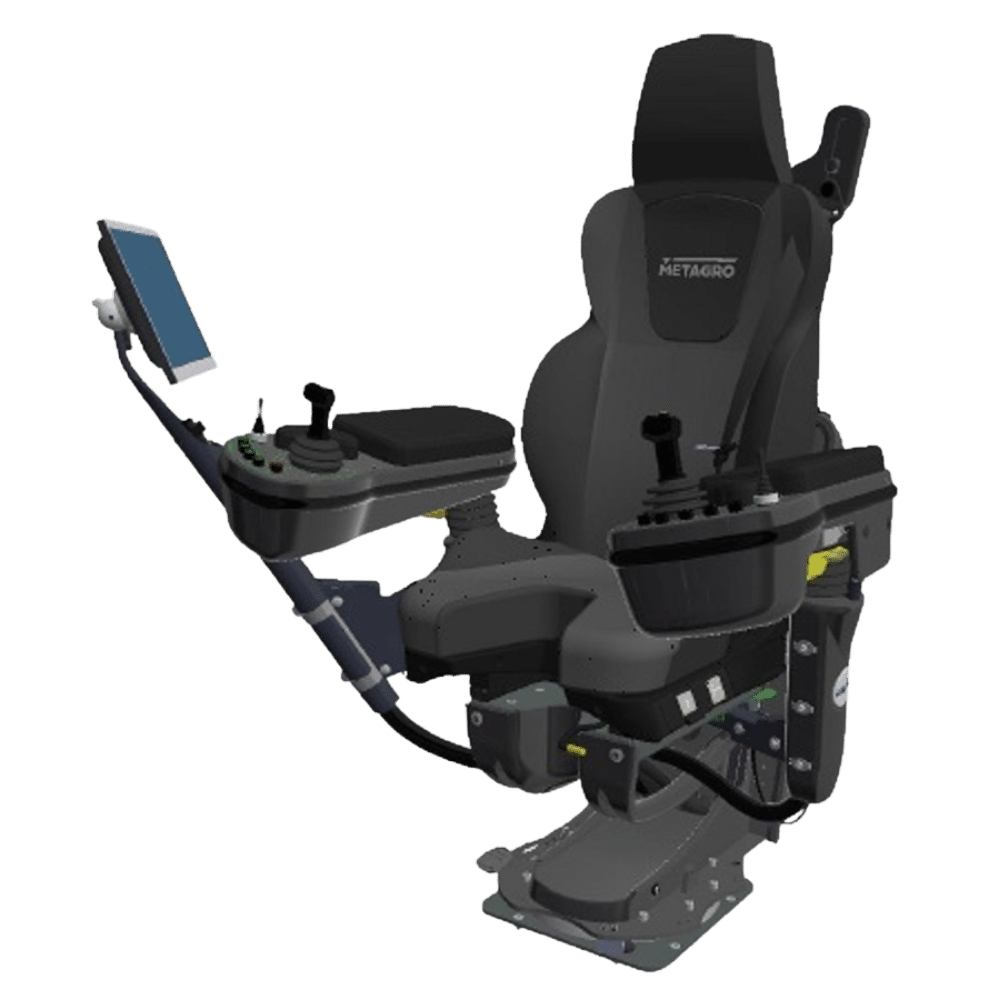
An ergonomic seat is designed to support the natural curvature of the spine and promote healthy posture during long hours of operation. It reduces pressure points, allows natural movement, and minimizes the risk of musculoskeletal disorders (MSDs).
Key features include:
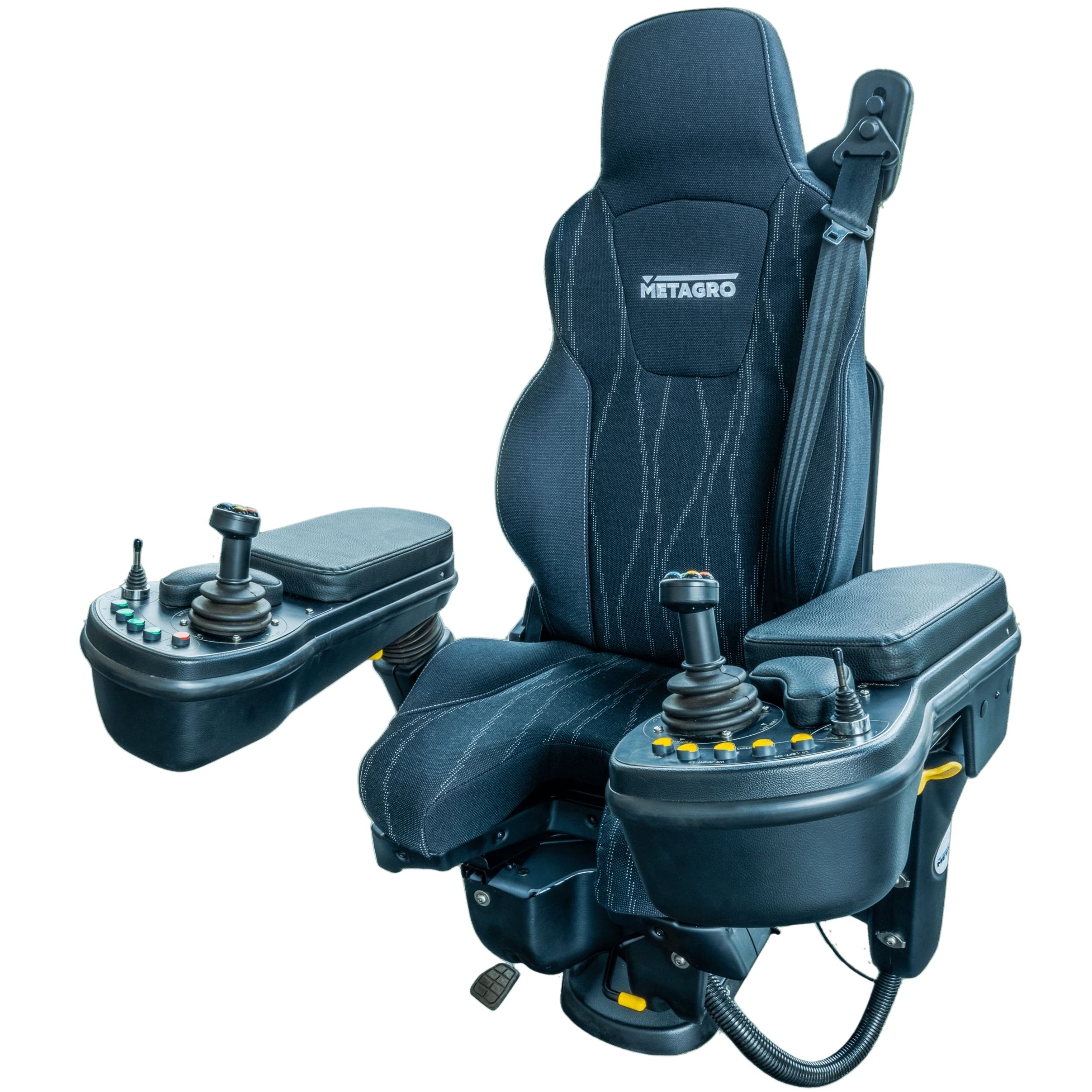
- Adjustable lumbar and back support
- Suspension systems to absorb vibration and shock
- Adjustable armrests and headrests for personalized comfort
- Controls positioned for natural movement to prevent strain
By adapting to the operator’s body and work style, an ergonomic seat becomes an active contributor to operational safety and efficiency.
The hidden costs of poor seating
A poorly designed or outdated crane seat might seem like a small issue, but it carries significant long-term consequences:
- Increased fatigue – Constant vibration and awkward posture drain energy faster.
- Reduced alertness – Discomfort distracts from the precision required during lifting operations.
- Higher injury risk – Repetitive strain and poor posture can lead to chronic back, neck, and shoulder pain.
- Lower productivity – Fatigued operators make more mistakes, slowing down operations.
In industries where uptime and safety are non-negotiable, even small ergonomic improvements lead to major performance gains.
Benefits of ergonomic crane seats
An ergonomic seat delivers measurable advantages across safety, productivity, and operator well-being. Below are the key benefits every operations manager (e.g. Terminal manager) should understand before choosing seating for crane operators.
Prevent musculoskeletal disorders
Crane operators are prone to back pain, slipped discs, and other musculoskeletal problems caused by static posture and whole-body vibration. Ergonomic seating supports healthy spinal alignment, significantly reducing these risks.
Reduce fatigue and enhance alertness
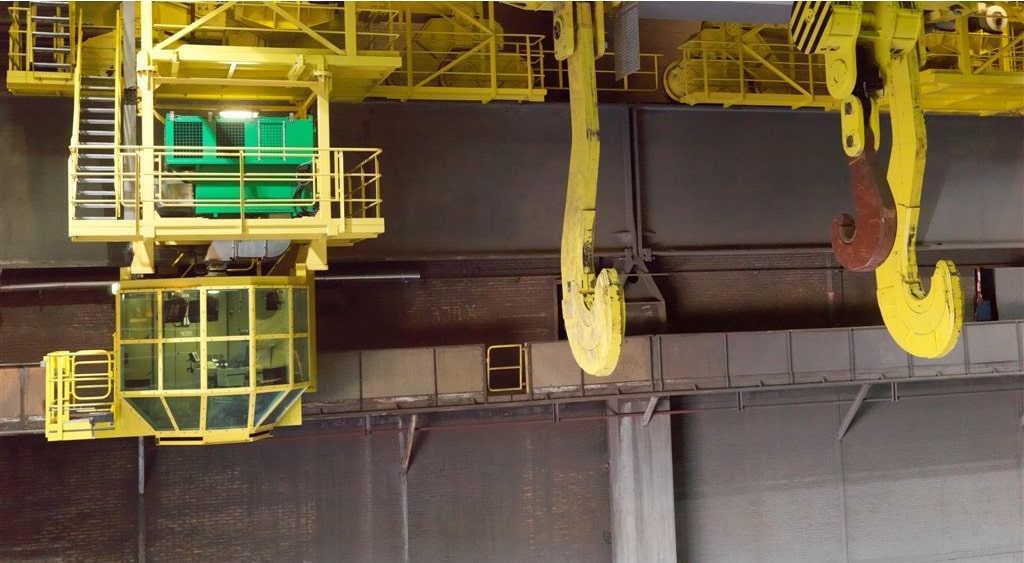
When seating minimizes strain and absorbs shock, operators stay focused longer. This leads to better decision-making, especially in complex lifting environments like terminals and steel plants.
Improve safety
Fatigue and discomfort can cause delayed reactions or mistakes. An ergonomic crane operator seat keeps the operator stable and supported, enhancing both precision and situational awareness.
Increase operational efficiency
Comfortable operators perform consistently. Ergonomic seats reduce absenteeism, shorten recovery times, and improve productivity across shifts.
What to look for in a crane operator seat?
When selecting or upgrading operator seating, focus on:
- Posture support: The seat should promote natural spinal alignment.
- Shock absorption: Built-in suspension reduces vibration exposure.
- Custom fit: Height, tilt, and depth adjustments ensure personal comfort.
- Durability: Industrial-grade materials withstand heat, dust, and vibration.
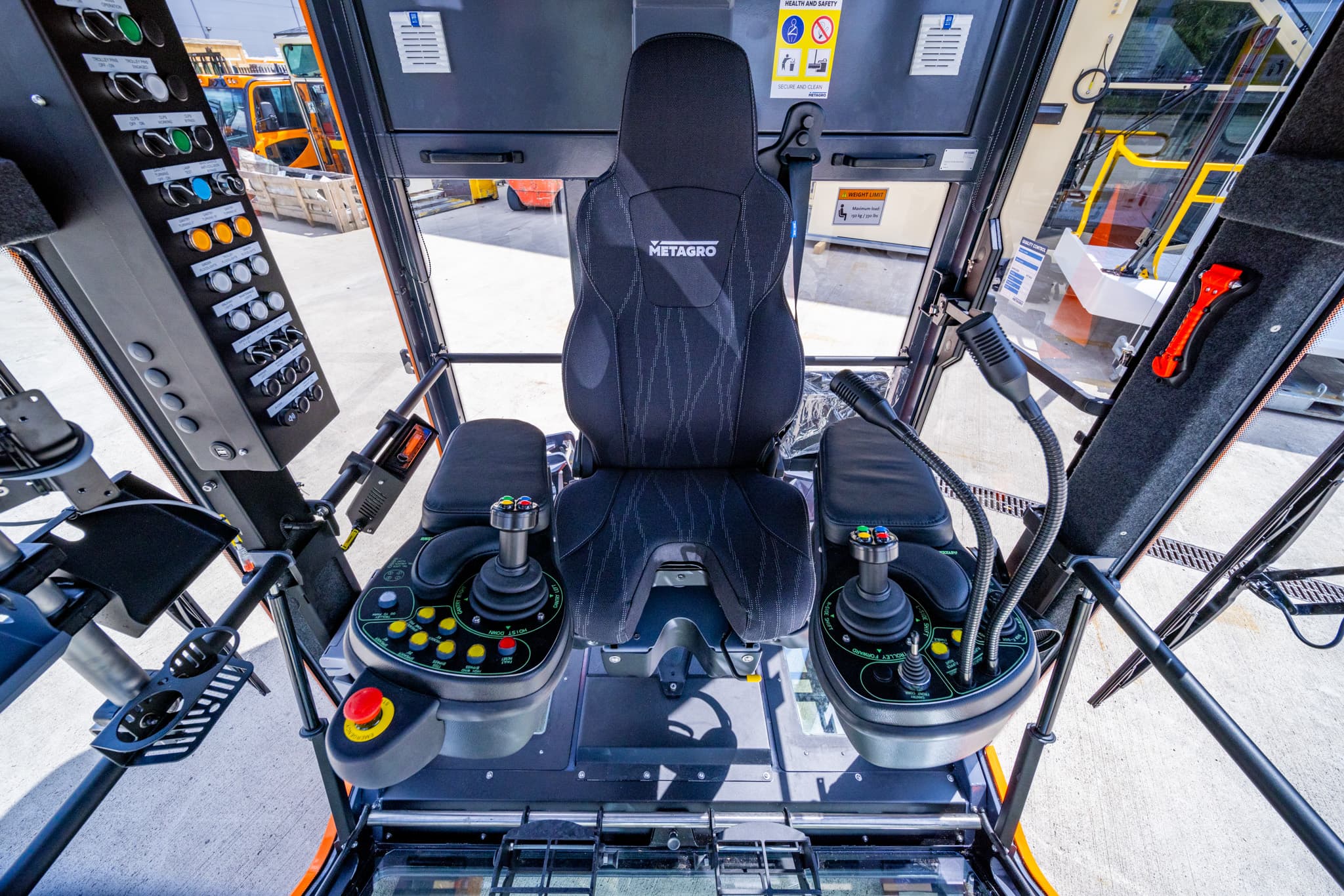
- Integration: Compatibility with control systems and cabin layout is essential.
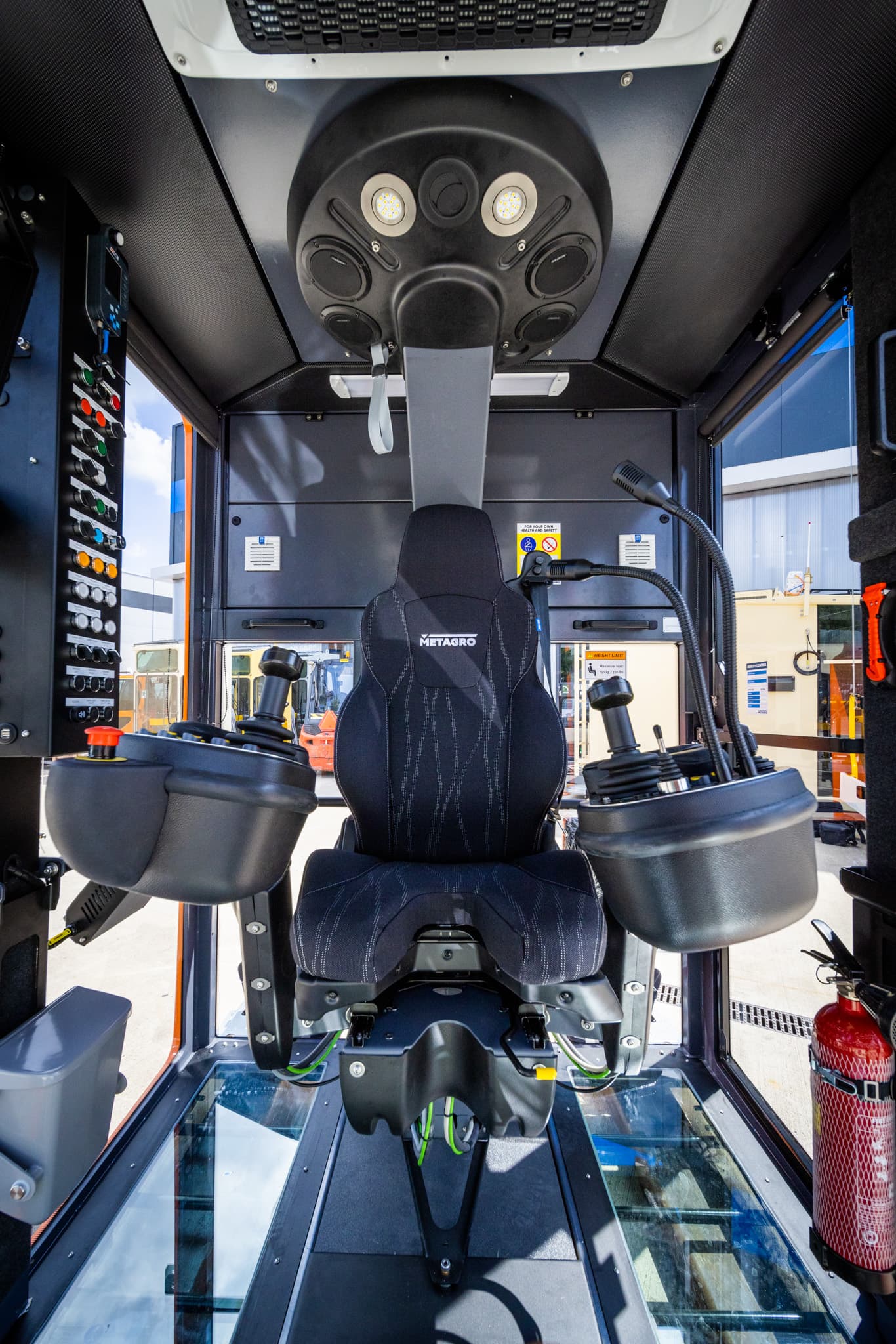
Custom-engineered operator seats like those from Metagro, go beyond comfort. They are part of a complete ergonomic workspace, designed for long-term reliability in demanding environments.
How Metagro designs ergonomic operator seats
At Metagro, ergonomic thinking starts at the engineering table. Each crane operator seat is designed in line with international HSE standards, focusing on comfort, visibility, and safety integration.
Metagro’s expertise includes:
- In-house engineering and production for full control over quality
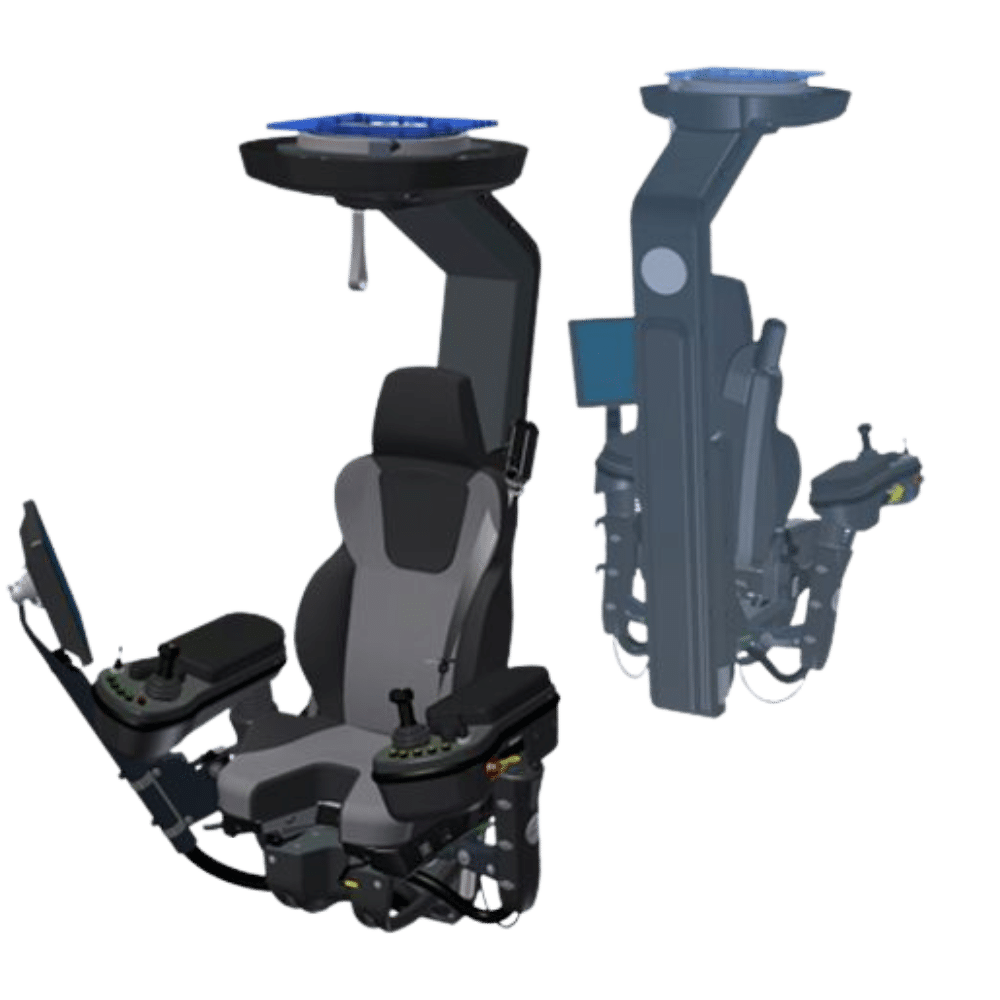
- Tailored seat configurations for crane, offshore, and vehicle applications
- Long-term service and replacement programs to extend product life
The result? A seat that doesn’t just support the operator it enhances performance, safety, and equipment longevity.
Supporting healthy and safe working environments
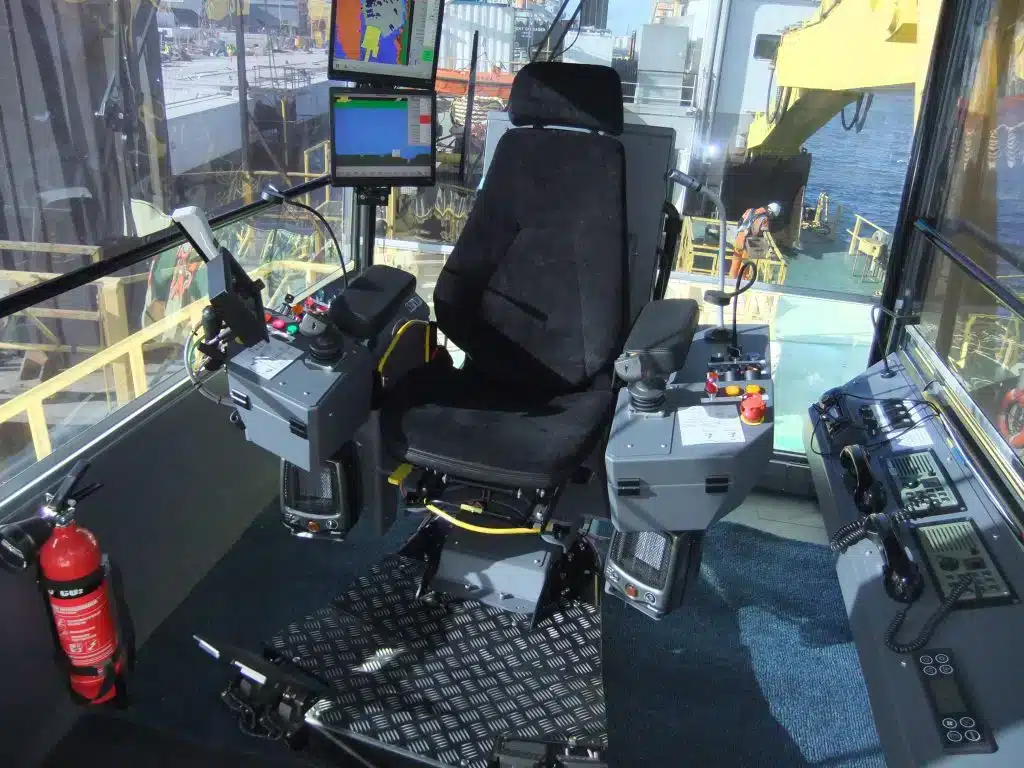
Operator well-being is directly linked to workplace safety, and that extends to every type of operator cabin whether on a harbor or terminal crane, offshore installation, or heavy vehicle. Each cabin is a workplace in itself, and the ergonomic quality of that environment shapes how safely and efficiently tasks are carried out.
Ergonomically designed seats complement the cabin layout by:
- Promoting healthy posture and reducing strain within confined cabin spaces
- Minimizing awkward movements during crane or vehicle operation
- Providing targeted support for key pressure zones
- Enabling healthier, more productive shifts
By integrating ergonomic seating into all kinds of operator cabins, companies create safer, more efficient workplaces. This focus on comfort and support demonstrates genuine care for operator health, resulting in higher satisfaction, fewer injuries, and stronger safety compliance.
Invest in comfort. Protect performance
Ergonomic operator chairs are an investment in uptime, operator health, and long-term efficiency. Whether you manage a terminal, operate offshore equipment, or design specialized lifting solutions, choosing the right seat directly impacts results.
Metagro’s ergonomic operator seats are engineered to combine comfort, precision, and durability—keeping your operators safe, alert, and in control.
Custom vs modular cabin manufacturers
Modular operator cabins are pre‑engineered units with configurable options—ideal when speed and budget are priorities.
Custom operator cabins are engineered from the ground up for your process, load cycles, and environmental risks. They deliver the best fit when you have extreme conditions, complex controls, or unique space constraints.
FAQ
Can we replace a new operator seat onto existing equipment (or crane)?
Many (crane) cabins face outdated designs that no longer meet modern demands for comfort, safety and efficiency. At Metagro, we offer an innovative solution through replacement. This process transforms old cabins into modern, comfortable and safe working environments. A key benefit is the extended service life of the cabins: instead of a costly replacement, we renovate the existing cabins with new operator chairs, saving significant costs. In addition, our plug-and-play designs ensure easy installation and minimal downtime.
Are there standards we must meet?
Requirements vary by industry and region. Many projects reference ISO/EN safety, welding, and electrical standards, plus site‑specific specifications.
What makes a (crane) operator seat different?
A crane operator seat differs from a standard industrial or vehicle seat because it is specifically engineered for long-duration use in high-vibration, precision environments. These seats are built to support the operator through extended shifts, where even minor discomfort can lead to fatigue or reduced concentration.
Unlike conventional seating, a crane operator seat includes:
- Advanced suspension systems to isolate the operator from vibration and shock.
- Comprehensive adjustability to fit individual body types and working postures.
- Ergonomic shaping that supports natural movement and reduces pressure points.
- Durable materials that withstand dust, humidity, and temperature fluctuations inside cabins.
- Seamless integration with cabin controls, allowing operators to maintain safe, efficient handling of equipment.
In short, a true crane operator seat functions as part of the control environment itself ensuring comfort, safety, and sustained performance throughout demanding operations.